
By Hiba Tunio
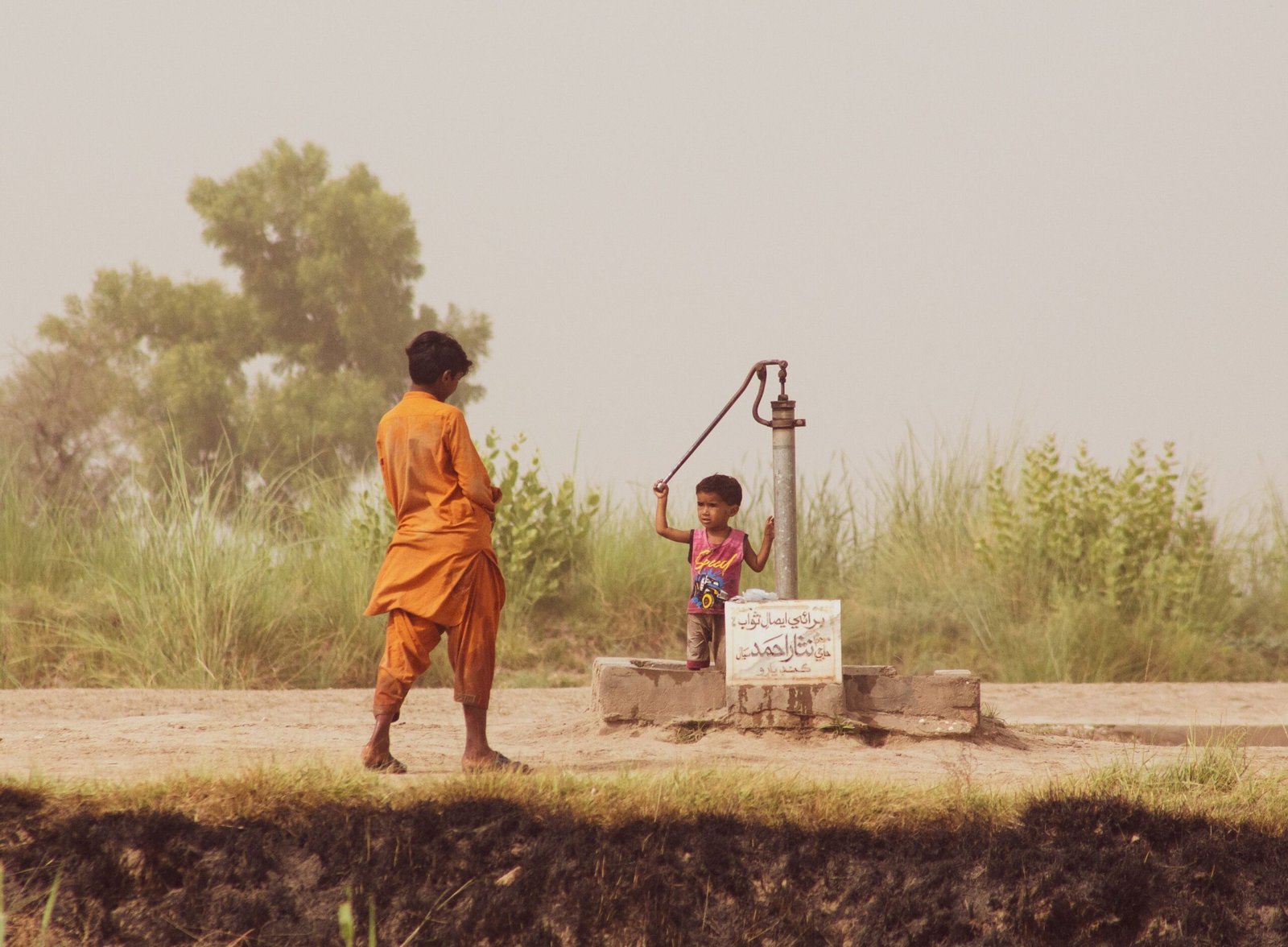
Photo Saeed Ahmed Abbasi
This year’s heatwave is particularly dangerous due to severe water shortages and electricity outages in many parts of the country. Indeed, in many cities within Sindh, access to clean water and a reliable supply of electricity is becoming increasingly difficult to find. In some places, temperatures have soared to 52°C, making the lack of utilities even more perilous.
Water scarcity has long been a chronic issue for people living in Pakistan’s desert regions. Unfortunately, this problem is now reaching beyond the deserts and affecting major cities as well. Pakistan has already seen severe impacts from climate change; millions have suffered from extreme heat, devastating floods, droughts, and unpredictable weather, which have also severely harmed the economy and agriculture.
As temperatures rise, heatstroke, dehydration, and breathing difficulties are becoming more common, leaving vulnerable communities, the elderly, and children among those most affected.
During these extreme heat events, fatalities are becoming a significant concern. To escape the blistering heat, some children resort to swimming in drains and canals, leading to tragic drowning incidents each year. These events serve as a stark reminder that excessive heat is turning into a humanitarian crisis, not just a weather issue.
For Pakistan, climate change is a human, economic, and public health emergency, as well as an environmental one. As the world deals with extreme heatwaves and rising temperatures, the pressing question is not only how much hotter it will get, but also: if we do not act now, when will we?
* Si prefieres leer la versión traducida al castellano, haz click aquí.